Field notes: the appeal draft that went out citing a number three days old
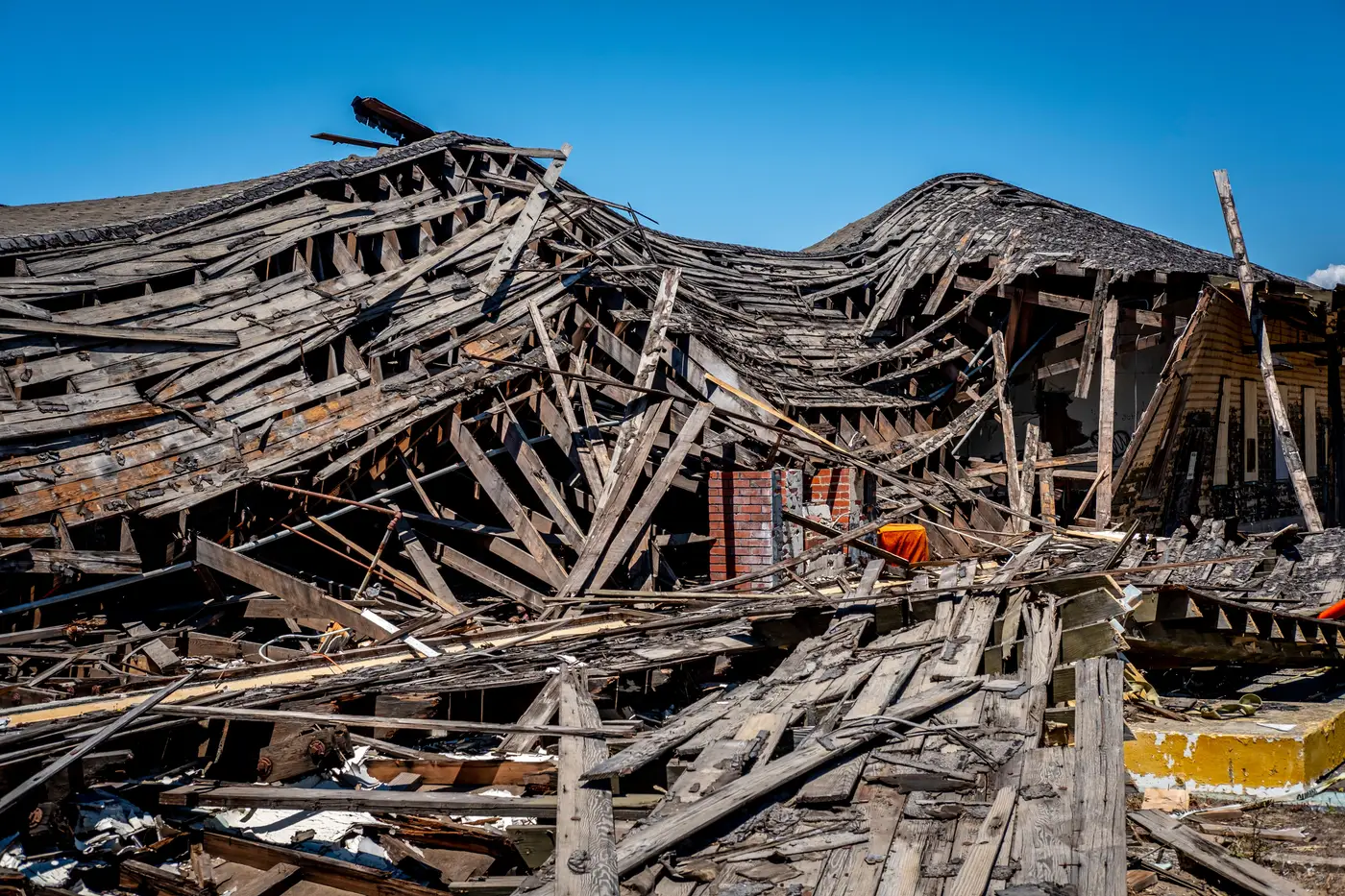
The number in the draft said 4,200 structures damaged or destroyed. It was a good number when someone wrote it down. By the time it sat in a funding appeal going out the door, it was Thursday's number being used on a Sunday, and the person sending the email knew it.
This happens more than anyone likes to admit. A rapid needs assessment team gets eyes on an affected district two days after an event, calls in a rough tally from a handful of kebeles or barangays or districts, and that tally becomes the anchor figure for everything that follows. The situation report cites it. The cluster lead repeats it in the coordination call. Then the appeal drafter, under a deadline that has nothing to do with the pace of ground verification, pulls that same figure because it's the only one in the document trail with a source attached.
Nobody is lying. The number was true when it was collected. The problem is that damage events don't hold still for three days. Secondary collapses happen after aftershocks. Flood lines recede and expose buildings nobody could see from the access road on day one. Access itself changes.
A team that could only reach two of six affected woredas on day two reaches four more by day five, and the count roughly doubles, simply because more of the affected area became reachable.
A colleague who spent a decade on shelter cluster assessments put it plainly once: "the first number is always a floor, and everyone downstream treats it like a ceiling." The appeal goes out with the floor. A pooled fund committee allocates against the floor. Then the real count comes in two weeks later, higher, and the gap reads to a donor like either poor initial work or quiet inflation, when it's neither. It's just the lag between when ground teams can physically get somewhere and when the appeal has to be on someone's desk.
Waiting for complete field verification costs time an appeal doesn't have. Donor attention peaks in the days right after an event, then fades, often inside the same three days field teams need just to reach everyone.
What helps is treating the first ground-reachable number as one input rather than the whole picture, and pairing it with a structure-by-structure count pulled from the imagery already sitting over the area the day the event happens, before any team has driven anywhere. That count can't say who's sheltering where or what people need this week. It can say, in the format a pooled-fund allocation table already expects, how many structures across the footprint show damage, counted the same way no matter which district a field team managed to reach. Its date is the event date, independent of how far the roads let anyone travel that week.
We built the overview of how that works at humanitariandamageassess.com, for anyone drafting the next appeal who'd rather cite a number dated to the event than a number dated to whichever team got there first.
None of this is an argument against field verification. It's slower and it sees things imagery never will: which households are displaced, what people say they need, whether the damaged structure was a home or a chicken coop. It just isn't built to be fast on the exact timeline an appeal deadline runs on, and pretending it is, is how a three-day-old number ends up carrying a week-old appeal.
Next time the draft is due before the second convoy gets back, worth asking whether the number going in the first paragraph is dated to the event or dated to whoever reached it first.