Notes
Blog
 SAR vs optical imagery after a cyclone: what to do when cloud cover won't clear
Why SAR can't replace an optical pass for a structure damage count, and what to do while cloud cover keeps the imagery shut.
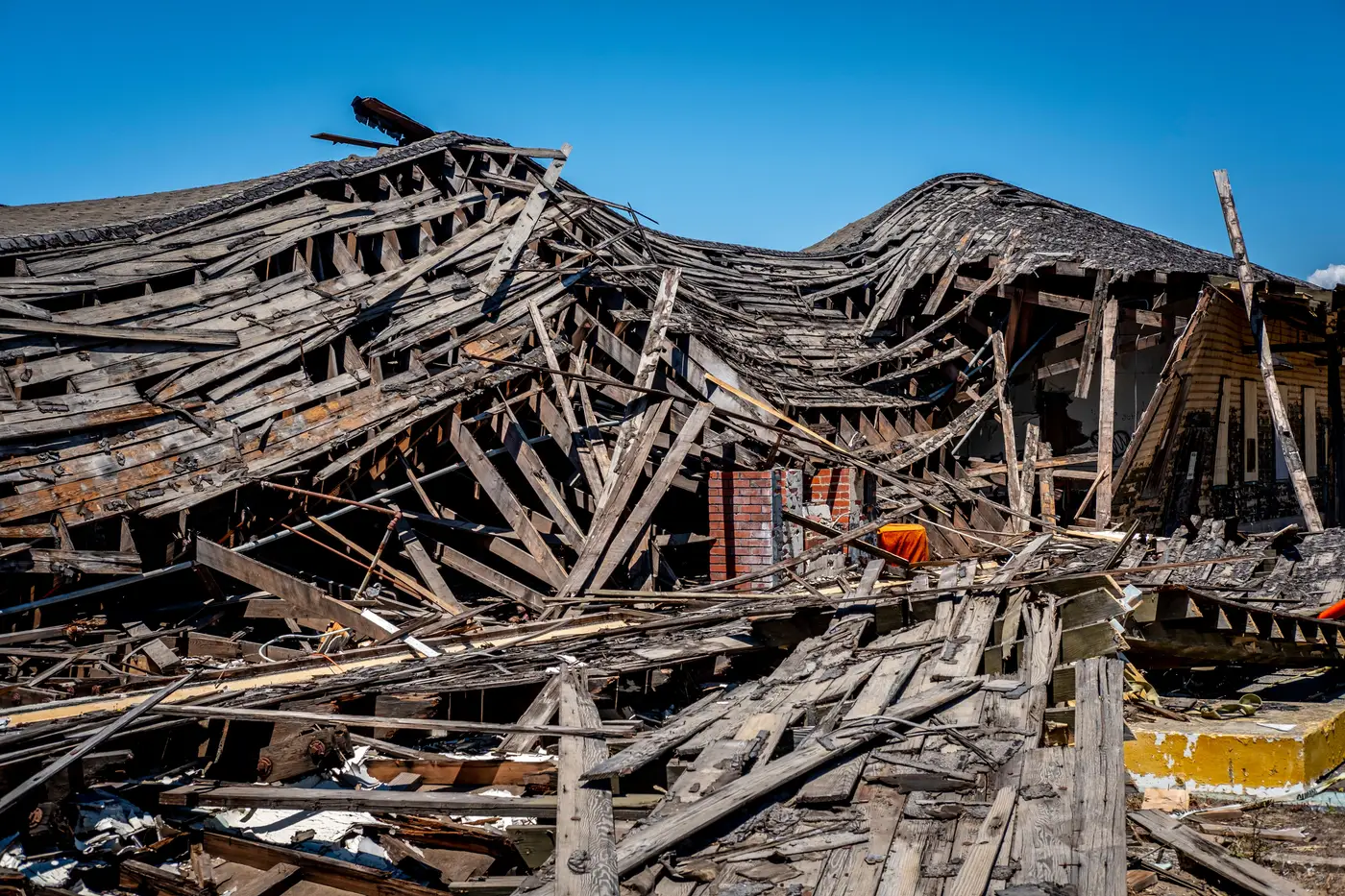 HRP vs Flash Appeal: what actually separates these two documents
A field guide to what separates a Humanitarian Response Plan from a Flash Appeal, and which funding document needs a damage count first.
- Field notes: the appeal draft that went out citing a number three days old
A field note on the three-day lag between a damage number and the appeal that cites it, and why that gap keeps costing credibility.
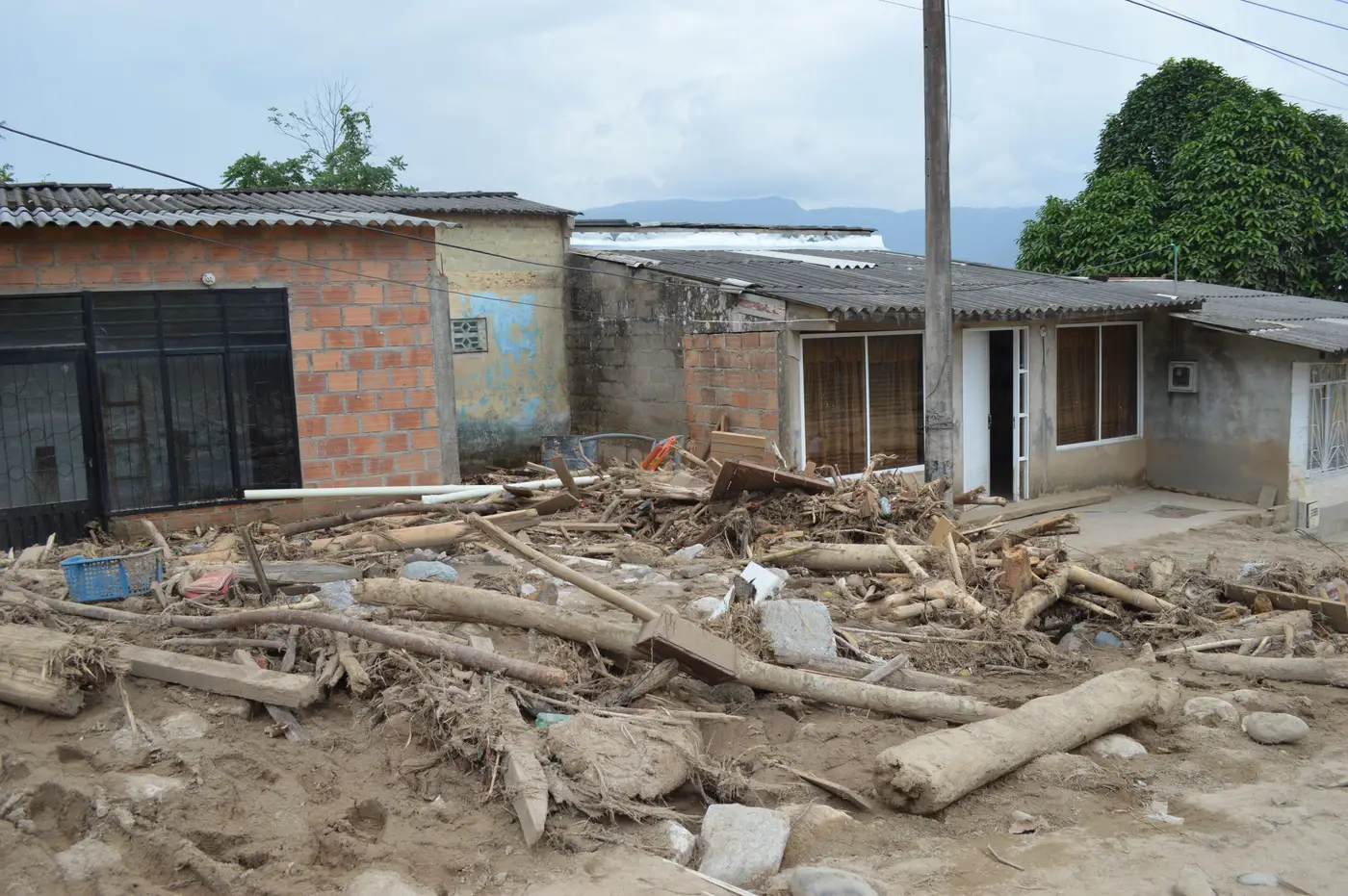 Severity classification scale vs. damage grade: what's the difference
Severity classification scores a population's needs on OCHA's five-point scale. A damage grade counts structures by condition. Appeals need both.
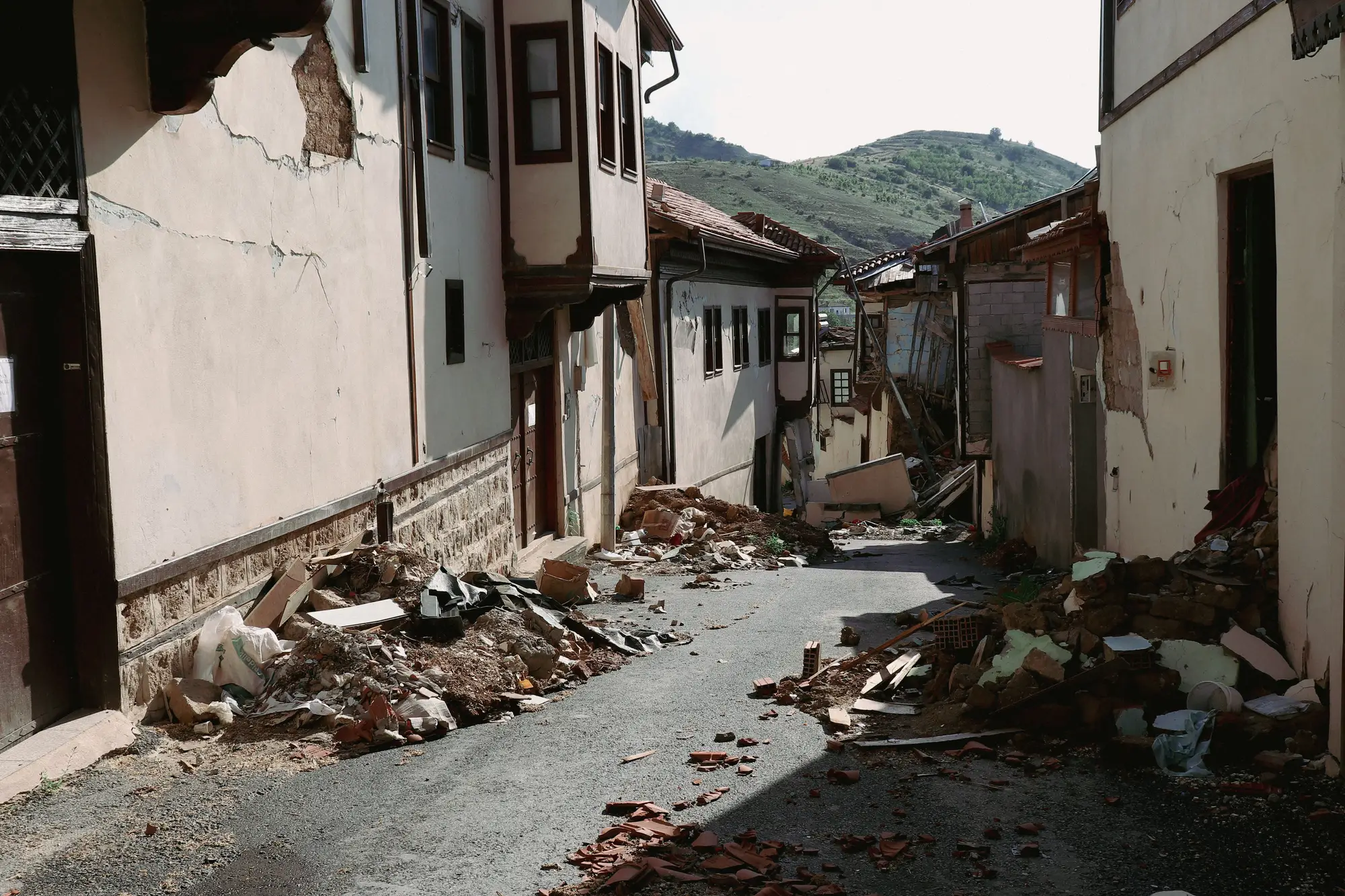 0.5 m vs 10 m: why pixel size decides whether you have a damage count or a damage guess
Sentinel-2's free 10 m imagery can't separate one structure from the next. Here's why appeal-grade damage counts need VHR, not medium resolution.
- What is CERF, and what evidence does a rapid response application need?
A plain explainer on the UN's CERF Rapid Response window and the kind of damage evidence that holds up in a fast-turnaround funding appeal.
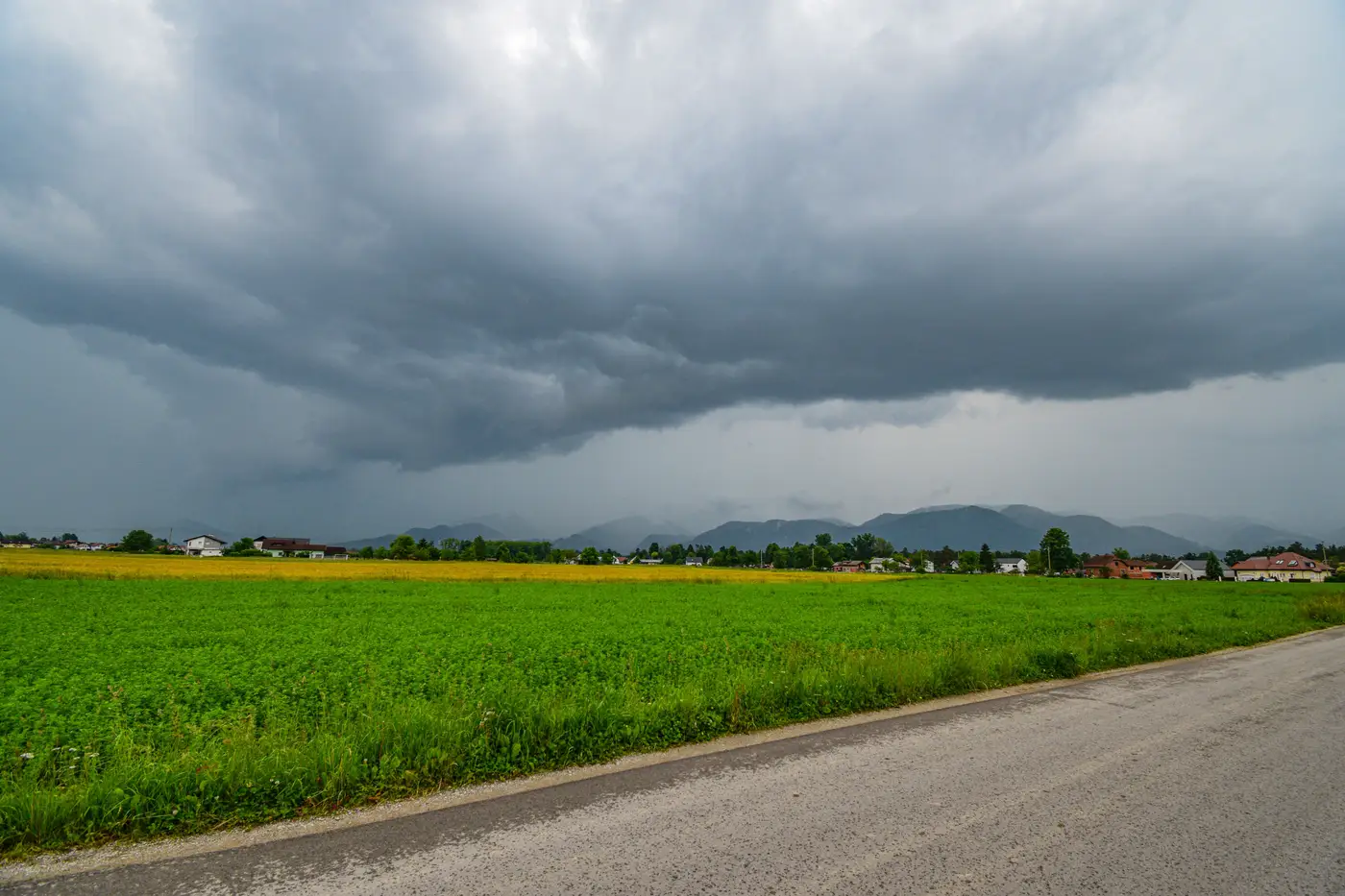 The first clear pass: notes from the tasking window after landfall
A field-notes look at what happens between landfall and the first usable VHR pass, and why that first clean image matters so much.
- Satellite vs. drone imagery for a post-disaster damage count
Satellite imagery covers the whole affected area fast; drones give sharper detail but slower reach. What a funding appeal's structure count actually needs.
- From structure count to population affected: the math an appeal needs
How emergency response analysts turn a satellite-based structure damage count into a population affected figure for a funding appeal.
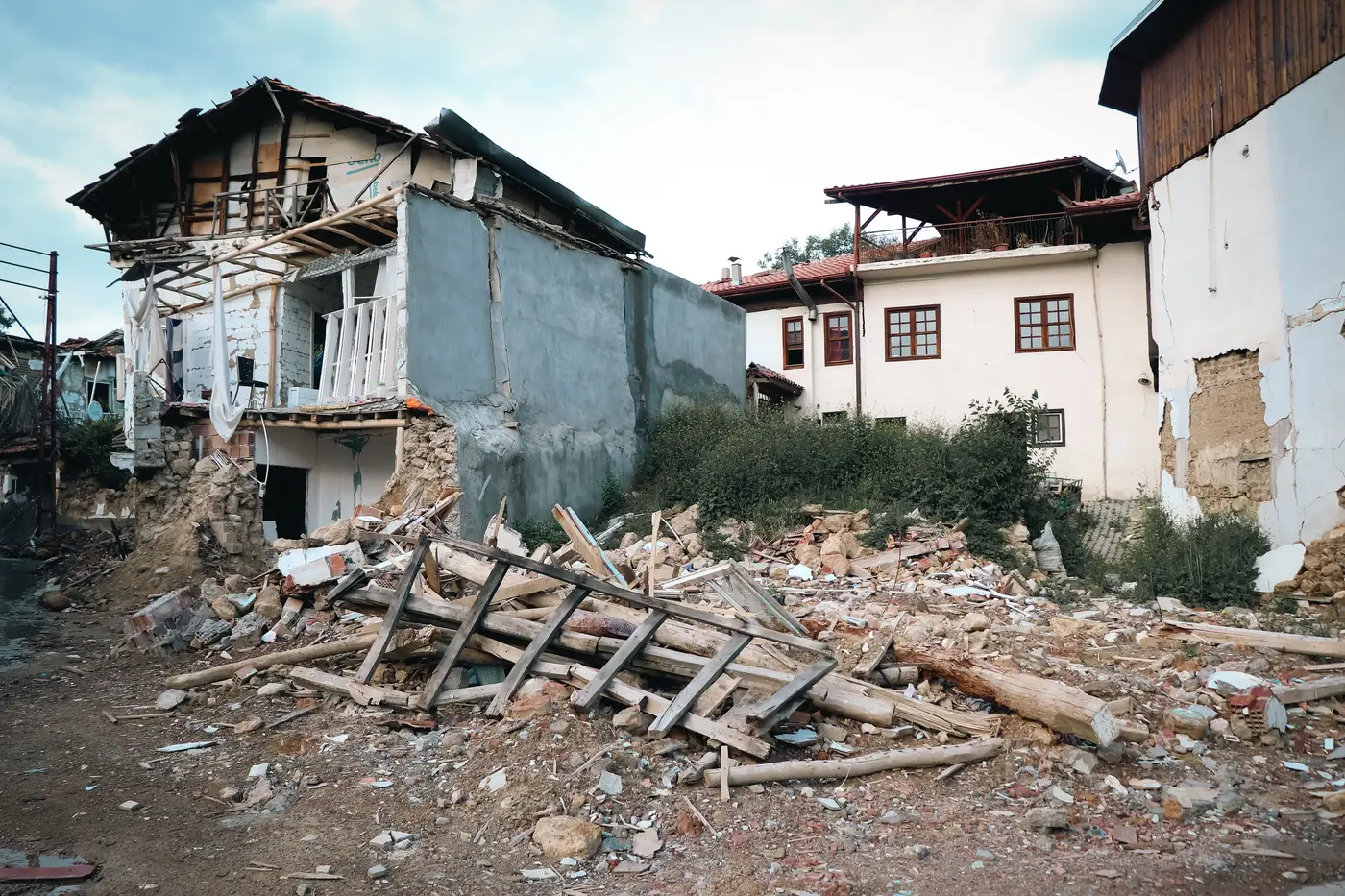 Damage proxy map vs. structure-by-structure count: what's the difference?
A damage proxy map and a structure-by-structure count answer different questions. Here's what each one shows, and when an appeal needs which.
- Field notes: the appeal that went out before the dust settled
Why the first number in a flash appeal is almost always a guess, and what changes when it's a standardized structure count instead.
- What is a structure-by-structure damage count?
What a structure-by-structure damage count means, how it differs from area estimates, and why appeal writers use it for funding tables.
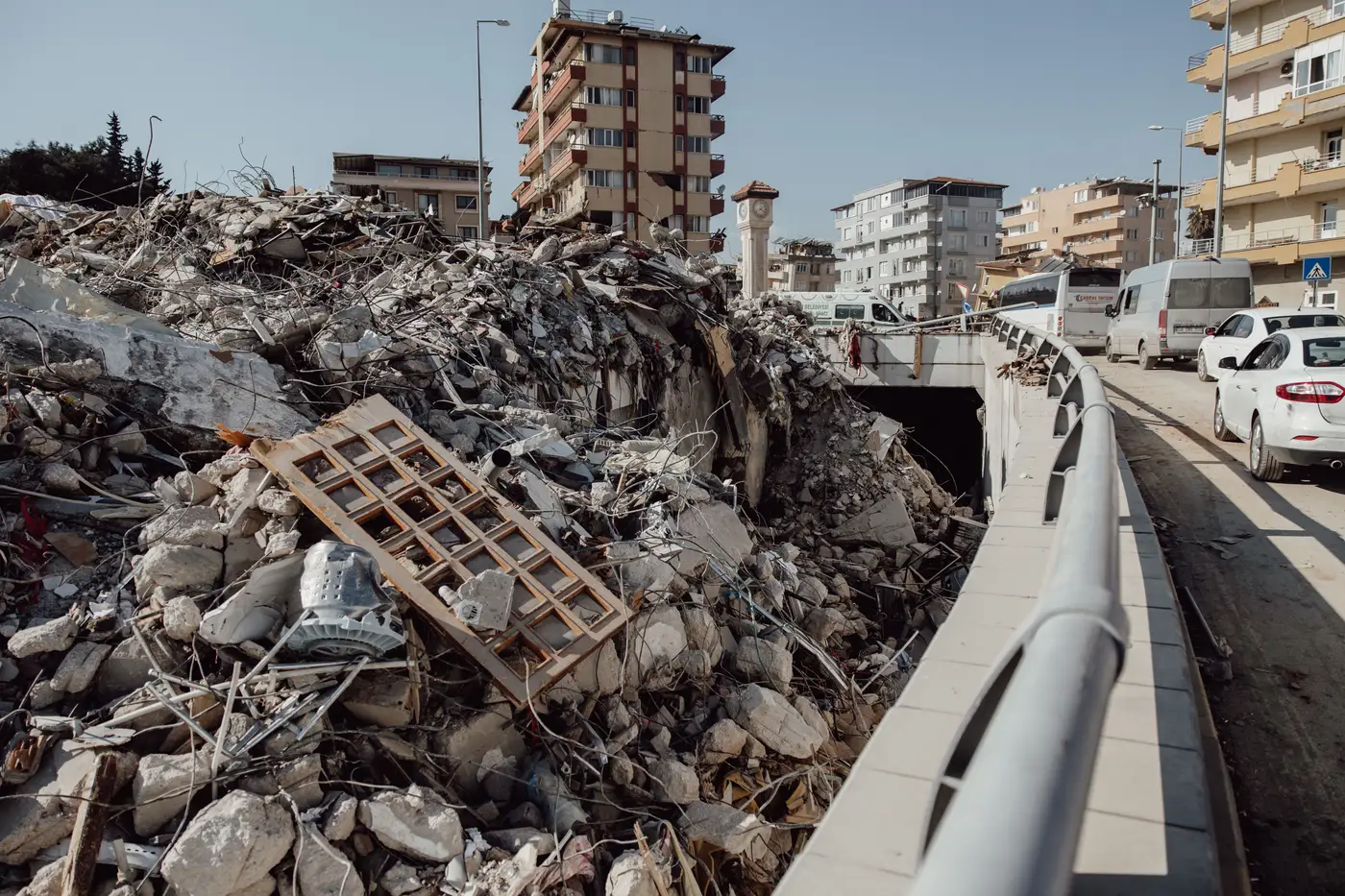 Turning a structure damage count into a funding appeal budget line
How emergency response analysts turn a structure damage count into a defensible dollar ask for a funding appeal, using category unit costs.
- MSNA basics: where a structure damage count fits in
What a multi-sector needs assessment covers, and how a VHR structure damage count slots into the shelter sector without waiting for field teams.
- Why cloud cover delays a post-disaster damage count
Why optical satellites can't see through cloud, and what the wait for a cloud-free pass means for a post-disaster funding appeal timeline.
- Destroyed vs. damaged: how satellite analysts set the structure-damage threshold
A plain explanation of the damage categories analysts use to read destroyed, severely damaged, and moderately damaged structures from VHR imagery.
- Citing a satellite-derived damage count in a funding appeal
How to source, date, and attribute a satellite-derived damage count so it holds up to donor scrutiny in an appeal document.
- Preliminary damage assessment vs verified field assessment: what goes into the appeal
How a preliminary imagery-based damage count differs from a verified field assessment, and which one your funding appeal needs first.
- What is a flash appeal? OCHA's timeline and when it gets issued
What a flash appeal is, when OCHA issues one, and how it differs from a Humanitarian Response Plan, with the real timeline from event to launch.
- What is a pooled fund allocation table?
A plain explanation of pooled fund allocation tables, how CBPF and CERF format them, and where a damage count fits in the request.