What is a structure-by-structure damage count?
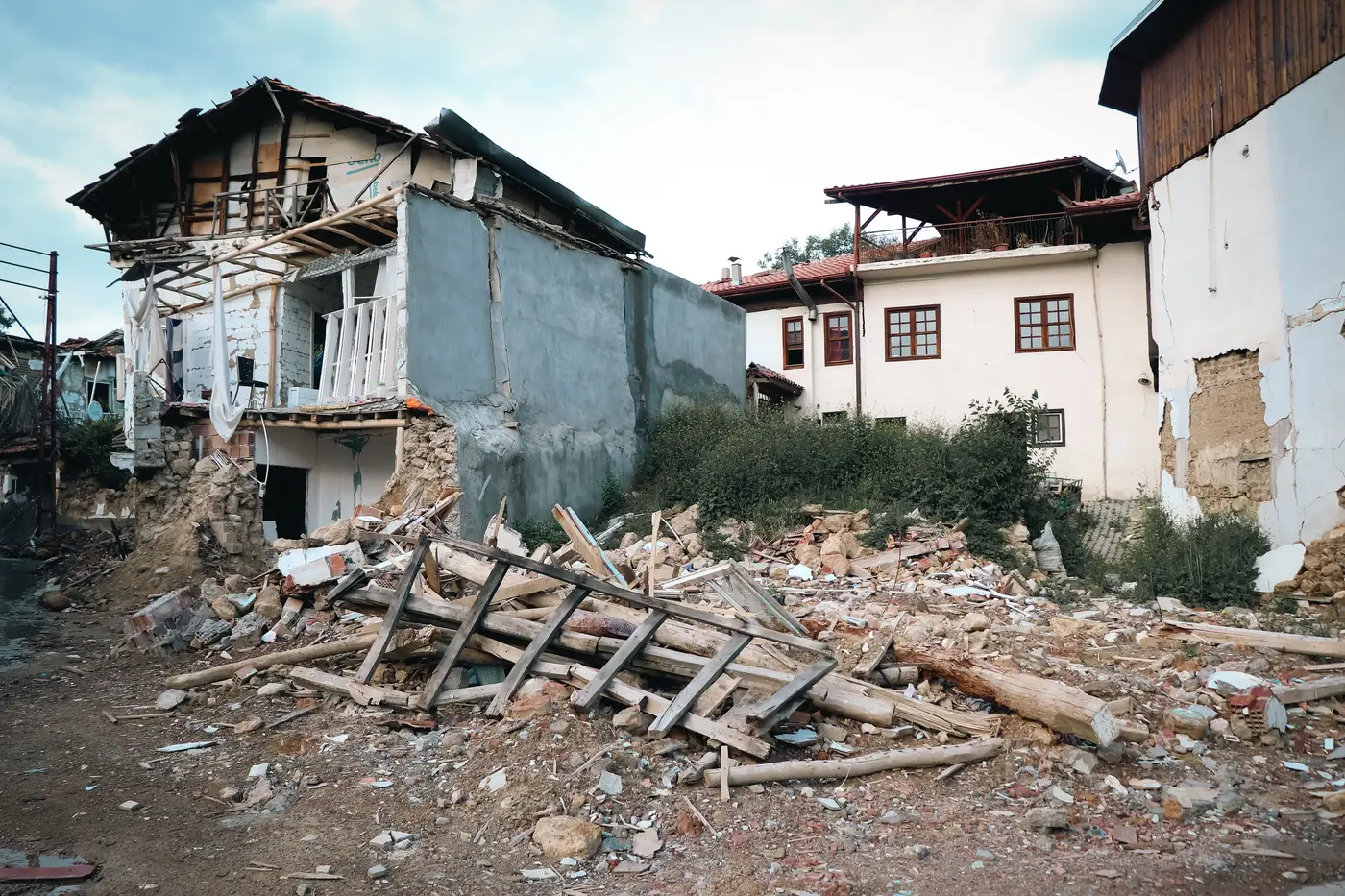
When a flash appeal goes out, the narrative text can say "widespread destruction" and nobody blinks. The allocation table can't. Every line in a CERF request or a country-based pooled fund allocation sheet eventually needs a number attached to it, and that number has to trace back to something a reviewer can defend if the next person down the line asks where it came from.
That's where a structure-by-structure damage count comes in.
What the term means
A structure-by-structure damage count is exactly what it sounds like: every building or structure in the affected area gets looked at individually and placed into a damage category, usually destroyed, severely damaged, moderately damaged, or undamaged. Nobody is estimating that "roughly 40% of the town looks hit" from a windshield survey or a handful of field reports. Each roof, wall line, and footprint gets assessed on its own, and the categories get summed into a count you can put in a table.
That's different from an area-based damage estimate, which gives you a percentage of a zone affected without telling you how many structures that percentage represents. Area estimates are faster and cheaper to produce, and they're fine for a situation report. They hold up less well in a funding ask, because a reviewer working from a different base map or a different model has no way to check your percentage against anything concrete.
A structure count is auditable in a way a percentage isn't. Someone else looking at the same imagery with the same categorization logic should land on a similar number. That's the property pooled-fund secretariats and appeal reviewers are looking for, whether or not they'd phrase it that way.
Why appeal writers reach for this specific methodology
Three constraints usually drive the decision.
Timing is the first. Field damage assessments are the gold standard for ground truth, but access, security clearance, and the logistics of walking assessors street by street through a disaster zone take time most appeals don't have. A flash appeal is typically drafted within the first days after an event. A structure-by-structure count built from very-high-resolution satellite or aerial imagery, around half a meter ground sample distance or better, can be produced in that same window, because it doesn't depend on anyone physically reaching the site first.
Format is the second. Pooled fund allocation tables and cluster-level needs overviews expect a count by damage category, not a paragraph. If the underlying data is a narrative assessment ("significant damage reported in three neighborhoods"), someone ends up inventing a number to fit the template anyway. Starting from a structure count means the table fills in with something that was actually measured.
Defensibility is the third, and it's the one that matters most once the appeal is under review. A number with a stated method behind it, imagery source, resolution, capture date, categorization logic, survives scrutiny in a way a rounded field estimate doesn't. When a donor or a technical review panel asks how a figure was derived, the methodology is the answer.
What it can't tell you
Worth being plain about the limits here. A damage count from optical imagery tells you structure condition as seen from above: roof loss, partial or total collapse, visible structural damage. It doesn't tell you who lived there, how many people were displaced, or what's inside. It's one input to a needs assessment, not the whole thing. Pair it with population figures, sectoral needs data, and field reports where those exist. The count's job is narrow: get a defensible figure onto the "how many structures" line.
The count also misses damage invisible from above, foundation cracking under an intact roof, for example. This is a screening layer, produced fast to get a number into the appeal while the field verification that should still follow catches up with it.
If you're drafting a flash appeal or a pooled-fund request this week and need a structure count for the event-affected area rather than a percentage pulled from a situation report, Humanitarian Damage Assessment delivers exactly that, structure by structure, within days of the event.