Turning a structure damage count into a funding appeal budget line
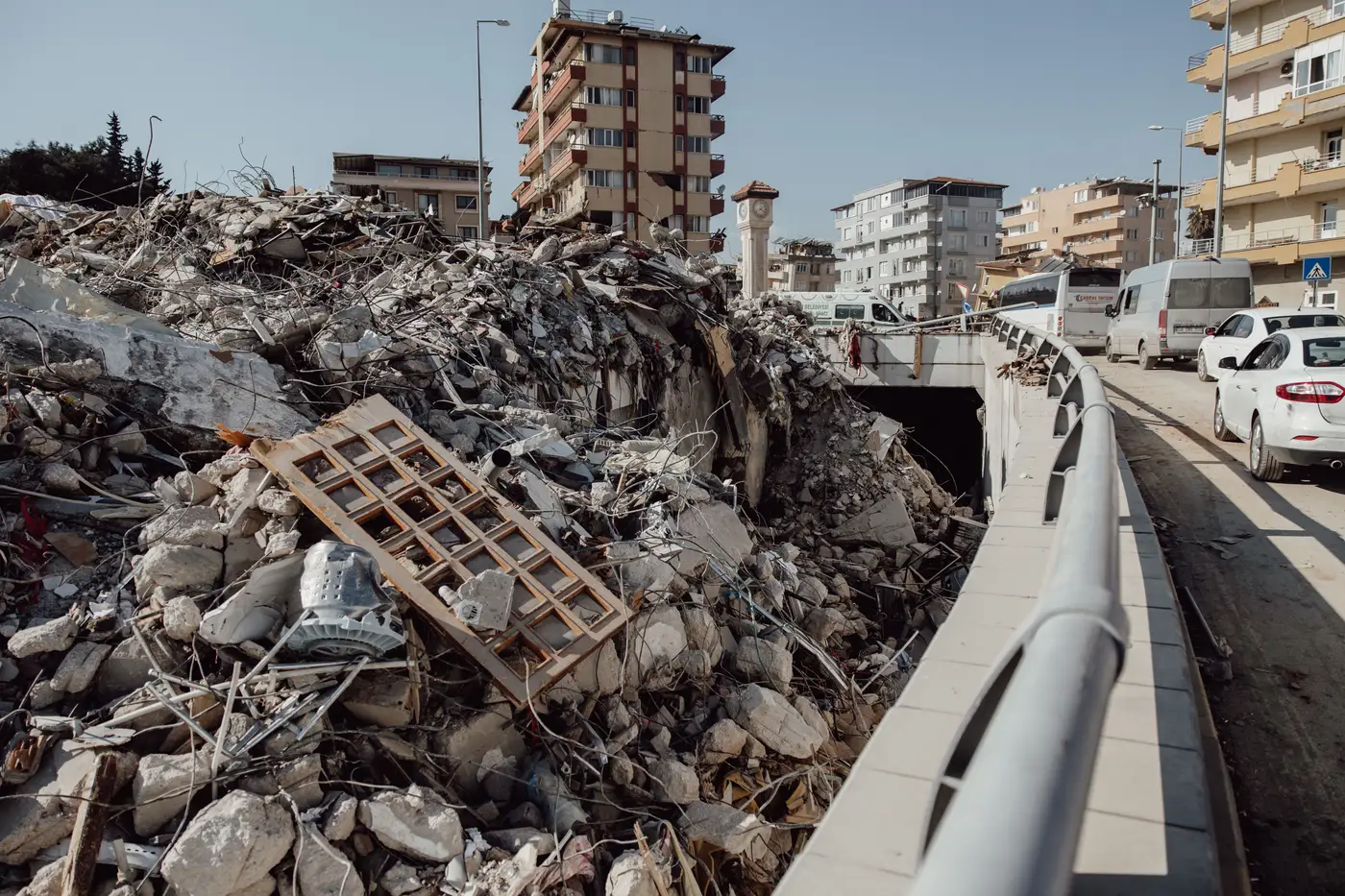
A structure count tells a donor what happened. A budget line tells them what it will cost to fix it. An appeal needs the second thing, and the jump between them trips up a lot of first drafts that land on a reviewing desk with a count but no costing logic behind the number.
The count is not the ask
Say your assessment comes back with 1,240 structures destroyed, 2,860 with major damage, and 4,100 with minor damage across the affected district. That's a real, usable number. But if you write "we need $14 million" without showing your work, a donor reviewer is going to ask where the figure came from, and "we estimated" is not an answer that survives a pooled-fund allocation meeting.
Apply a unit cost multiplier per damage category rather than a single blended rate across the whole count. Destroyed structures cost more to replace than a repair job on a structure with a cracked wall and a blown-out window. Treating them the same either inflates the ask past what a donor will sign off on, or underfunds what full recovery costs.
Building the multiplier
The basic shape of the calculation is:
(destroyed count × full rebuild unit cost) + (major damage count × major repair unit cost) + (minor damage count × minor repair unit cost) = total shelter sector cost
The structure count is the part a damage assessment gives you directly. The unit costs come from wherever your context already sources them: recent cluster-level shelter unit cost tables, a market assessment done after a comparable event in the same country, or costed recovery plans from a prior response in the region. If your agency or the cluster lead already has standing unit cost figures for the country, use those before you go looking for new ones. Reinventing a unit cost assumption mid-appeal is a good way to get a line item challenged.
Write the multiplier into the appeal as a stated assumption, not a buried footnote. "Unit costs drawn from [source], applied to a structure-by-structure count covering [area], dated [date]" is a sentence a donor reviewer can check against their own knowledge of the sector. A bare dollar figure with no traceable path back to a count and a rate is the thing that gets flagged in review.
What goes in the methodology line
Three things keep the costing defensible once it's in front of a donor committee:
The damage count itself, including the cutoff date and the area it covers. A count from three weeks before the appeal, over a smaller footprint than the one you're asking funding for, is going to raise a question before the dollar figure does.
The unit cost source and its date, since post-disaster material and labor costs move fast and a rate from eighteen months ago in a different province is not the same number today.
The category breakdown as well as the total. A reviewer comparing your ask to a neighboring appeal will want to see destroyed versus damaged, because that split carries most of the dollar amount.
None of this requires the costing itself to be perfect. Appeals get revised as field verification comes in, and donors expect that. What they don't expect, and what gets a line item sent back for rework, is a number with no visible path back to a count.
Where the count comes from matters too
The multiplier only holds up if the structure count underneath it is one a reviewer can trust. A count built off satellite imagery from the days right after the event, with a stated capture date and a defined footprint, gives you a cleaner starting point than a field tally that's still half-compiled two weeks in. Humanitarian Damage Assessment delivers that structure-by-structure count within days of an event, formatted the way appeal tables already expect, so the costing exercise above starts from a number you can actually defend rather than one you're still waiting on.
If you're building an appeal budget this week and the count is the piece you're missing, that's the gap this product fills.