Field notes: the appeal that went out before the dust settled
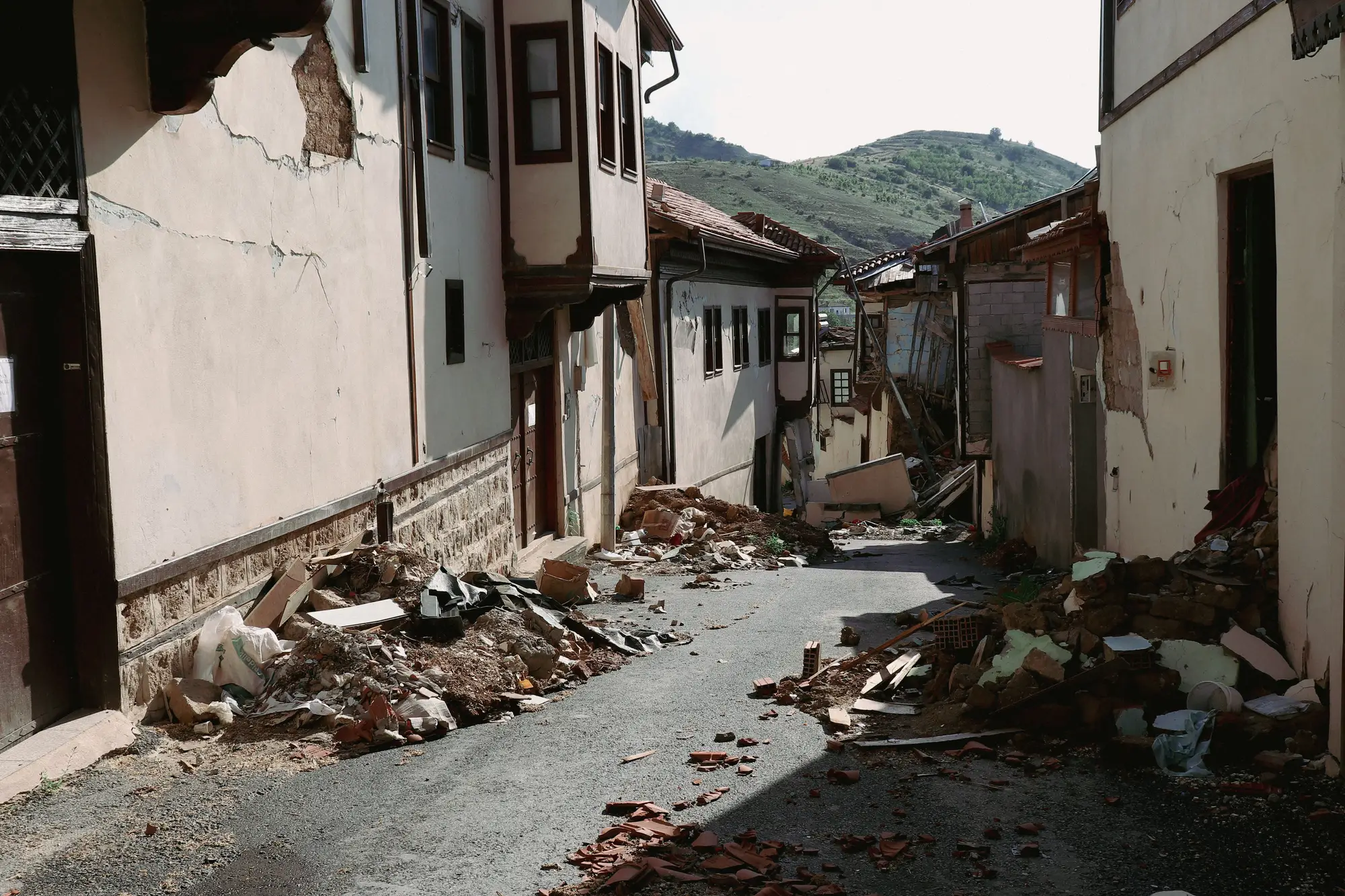
There's a particular kind of quiet that settles over a coordination cell about six hours after a major sudden-onset event. The sitreps are still thin. The cluster leads are still finding each other on the phone tree. And somewhere in that quiet, someone has to start writing the number that goes on the first page of the appeal.
Anyone who has drafted a flash appeal knows the number doesn't arrive clean. It arrives as a range, usually with a footnote longer than the sentence it's attached to. "Up to 40,000 structures affected, based on preliminary assessment" is not a sentence anyone enjoys writing, because everyone reading it, from the pooled fund secretariat to the donor desk officer deciding how to allocate against three competing crises that week, knows exactly how much weight "preliminary" is carrying.
The honest version of the problem is this: appeals run on a clock that field verification doesn't. OCHA's own guidance has long pushed flash appeals toward a 72-hour window, sometimes less when the political pressure to show a number is high. Ground teams, meanwhile, are doing the actual work of access negotiation, security clearance, and in many cases just getting a vehicle across a washed-out road. A structure-by-structure survey on foot, done properly, takes weeks in a large-scale event. The appeal cannot wait weeks. So the number that goes in is almost always a placeholder dressed up as a figure, and everyone downstream treats it accordingly, discounting it before they've even finished reading the paragraph.
The appeal clock hasn't moved in years. What's changed is what's available to fill the gap before boots are on the ground, and that's reshaped the job of writing the appeal itself. Very-high-resolution imagery tasked within hours of an event, run through a standardized count, gives a drafter a number built the same way an auditor builds a tally rather than the way a journalist builds an estimate: a count of roofs, footings, and collapsed structures across the affected footprint. That distinction matters more than it sounds like it should, because a donor desk officer who has seen a hundred of these appeals can tell the difference in about four seconds.
There's a tell in the writing itself, actually. Appeals built on soft estimates tend to hedge in the prose: "significant damage is believed to have occurred," "initial reports suggest extensive destruction." Appeals built on an actual count state it flatly, because the drafter isn't protecting themselves from a number they can't defend. That flatness reads as competence to the people allocating money, even if they never articulate why.
Field verification does things a desk count can't touch. A ground team can confirm whether a structure is occupied, tell structural damage from cosmetic, find out whether the household inside has already left for a collective site. That work still has to happen, on its own timeline, and nobody serious in this field is arguing otherwise.
A structure count from imagery does something narrower: it gives the drafter a figure for the document that has to go out before any of those ground-level questions can be answered, a figure with a method behind it instead of a hedge. That's the actual job in those first 72 hours. Not perfect information. A number you can stand behind when someone on the funding side asks where it came from.
That's the gap a standardized structure count built for exactly this window is meant to close, and it's the whole premise behind Humanitarian Damage Assessment. The appeal still has to go out before the dust settles. It just doesn't have to go out on a guess.
If the next appeal on your desk needs a number before the imagery analysts have finished their coffee, that's the problem this is built to solve.