From structure count to population affected: the math an appeal needs
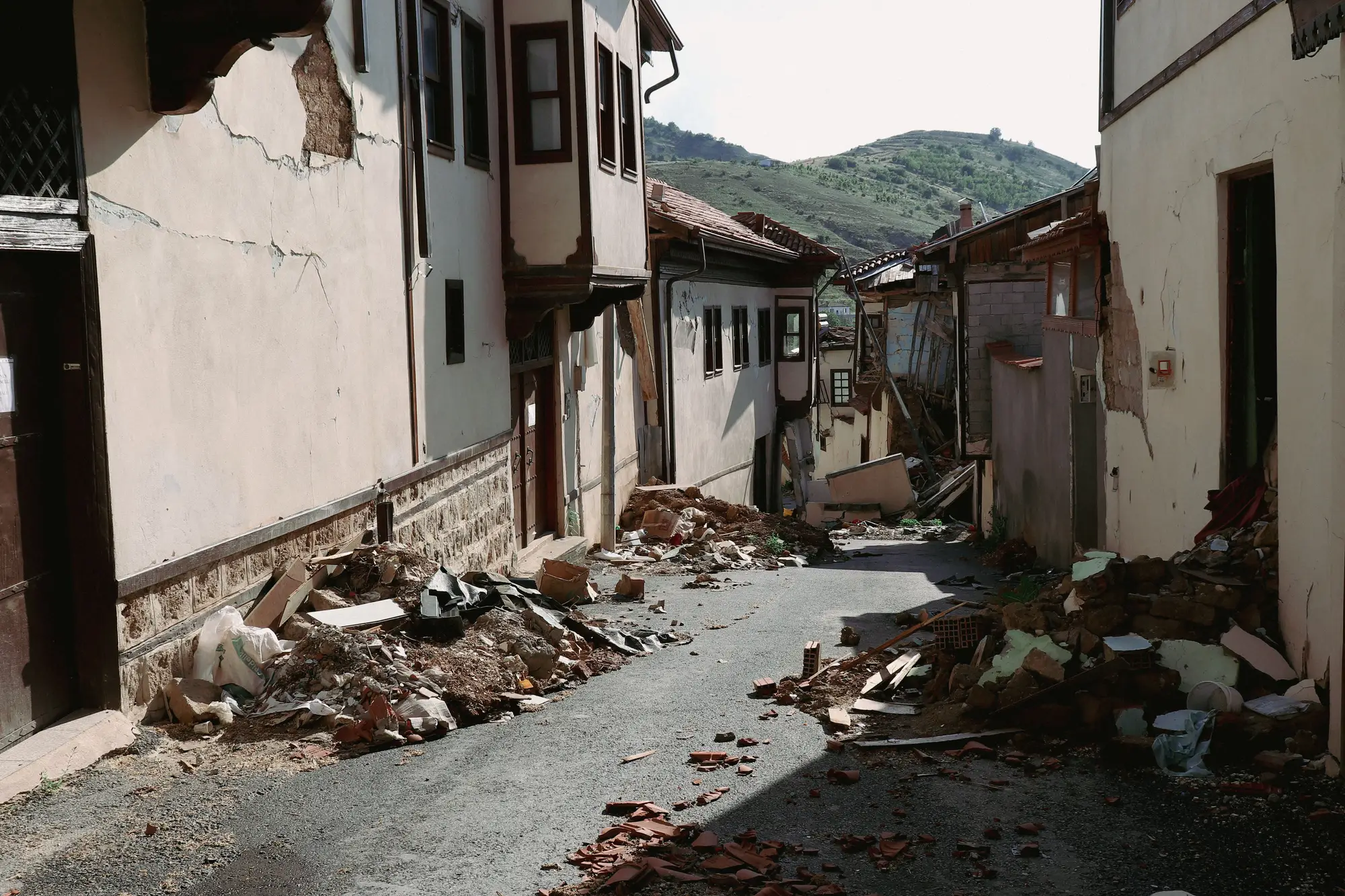
A donor review board funds people affected by a disaster, not a tally of damaged buildings. When a structure-by-structure damage count lands on your desk, it's often the first usable number you have after an event. The question that follows is how many people that count represents.
There's no single accepted multiplier that OCHA, a cluster lead, and a pooled fund secretariat will all sign off on without question. But there is a defensible method, and appeal reviewers have seen it enough times to recognize when it's been skipped.
Why a structure count and a population count aren't the same thing
A damage count tells you what happened to buildings: how many structures show roof loss, partial collapse, or total collapse within the event footprint. It does not tell you who was inside, whether the building was occupied full-time, seasonally, or not at all, or how many households share a single structure in that particular settlement pattern.
In a dense urban block, one damaged structure might be a four-story residential building housing a dozen households. In a dispersed rural area, one damaged structure might be a single-family compound, or a barn nobody was sleeping in when the event hit. The same count of "47 structures with major damage" means wildly different numbers of displaced or affected people depending on where that 47 sits.
This is why a credible appeal figure never just multiplies damage count by a flat national household size and calls it done. It documents the step.
Building the conversion: household size, occupancy, and context
The standard approach starts with the best available average household size for the affected administrative area, usually from the most recent census or a UNFPA/national statistics office estimate, not a global default. Multiply the damaged-structure count by that figure and you get a raw estimate of people in damaged housing.
From there, most teams apply an occupancy adjustment. Did the damage assessment run at a time of day or season when the structure type would typically be occupied? A count of agricultural storage structures and a count of residential rooftops should not be run through the same multiplier. If the imagery or the damage categorization doesn't distinguish structure type, that's a gap worth flagging in the methodology note rather than papering over with an assumption.
Severity matters too. A structure flagged as "destroyed" implies displacement; a structure flagged as "minor damage, roof intact" implies a household that stayed put and needs repair support, not shelter. Appeal tables that separate the population estimate by damage category, rather than reporting one blended "affected population" line, tend to survive technical review better, because they let the reader see which part of the number drives which funding ask.
What to put in the methodology line of the appeal
Reviewers who have seen enough flash appeals know to check for one thing: can the population figure be traced back to a count, and can that count be traced back to a dataset. A single sentence does most of the work: the number of structures assessed, the imagery date and resolution used to assess them, the household size source applied, and the date the count was run relative to the event.
Reviewers check whether the chain from imagery to count to population estimate holds together if someone pulls on it. That test matters more than precision to the person. A structure count that specifies its resolution and its collection window, scoped to one event, sits better in that chain than a ground estimate phoned in before verification teams could reach the area, even though both are doing the same job: giving a reviewer a number to put in a table before the appeal deadline.
If you're the one building that chain from scratch under a 72-hour appeal window, a standardised, structure-by-structure damage count delivered from recent high-resolution imagery is the input most teams are missing, not the multiplier at the end of it.
Get in touch if you need that count scoped to your event footprint before the next drafting deadline.