HRP vs Flash Appeal: what actually separates these two documents
Every analyst who has sat in a late-night drafting call knows the confusion. Donors ask for "the appeal." Cluster leads ask for "the plan." Someone on the HCT mixes up the two and the draft gets kicked back for the third time. The two documents serve different moments in the funding cycle, and mixing them up costs time you don't have in week one.
What the HRP actually is
A Humanitarian Response Plan, usually just called the HRP, is the annual (sometimes multi-year) strategy document for a country's humanitarian response. It's built through the Humanitarian Programme Cycle: needs overview, strategic objectives, cluster-by-cluster response plans, a financial requirements table broken down by sector. It takes months to assemble because it's negotiated across the HCT, cross-checked against the Humanitarian Needs Overview, and vetted by OCHA before it goes out for donor pledging.
The HRP is what you cite when someone asks "what's the overall ask for this crisis." It covers protracted situations: a drought cycle, a displacement crisis, a conflict that's been grinding for years. It gets revised, sometimes mid-year, but it's not built for speed.
What a Flash Appeal is for
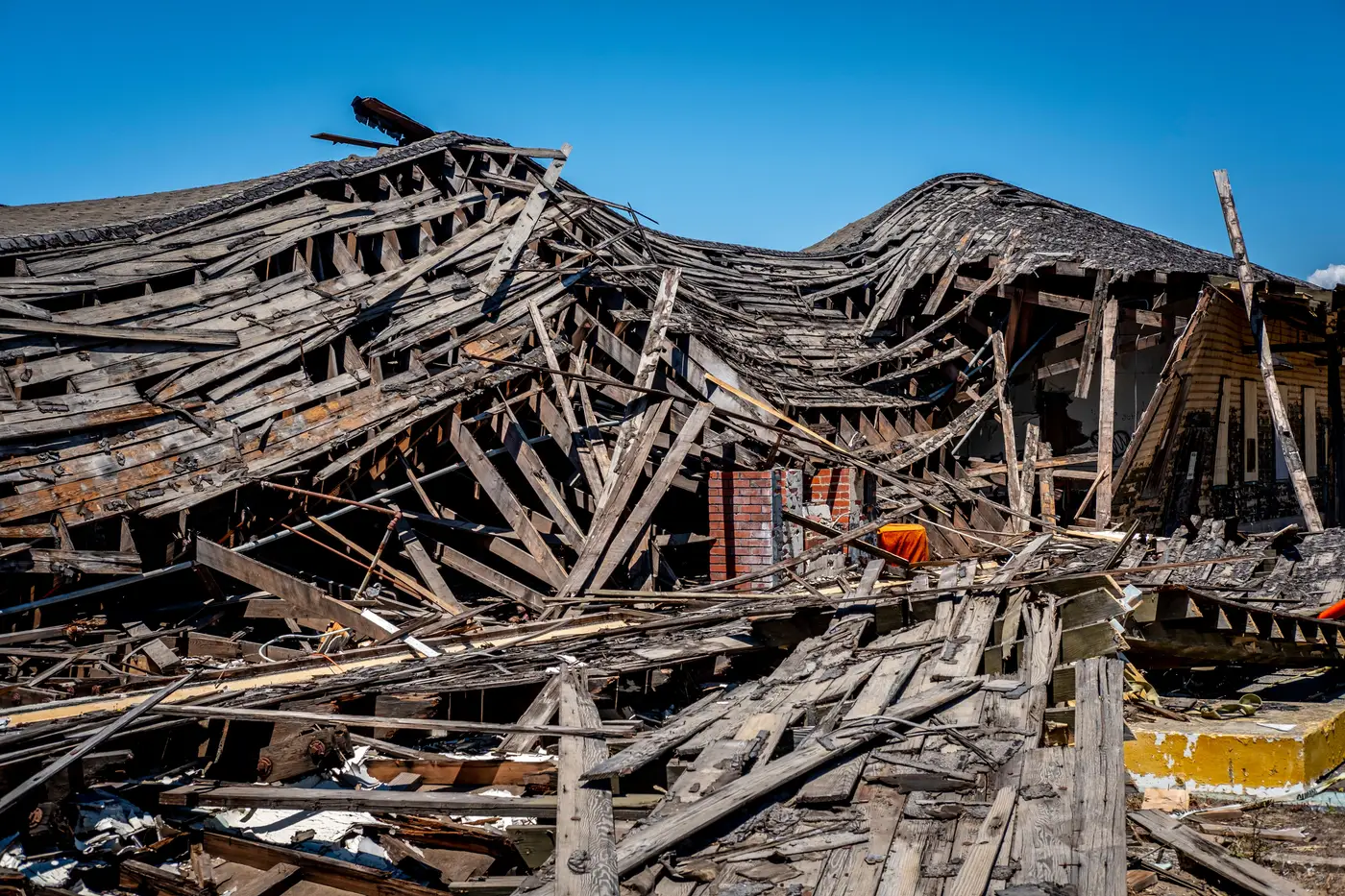
A Flash Appeal is the opposite instinct. It's a short, fast document issued in the first days or weeks after a sudden-onset disaster, an earthquake, a major flood, a storm surge that wipes out a coastal belt. Where the HRP takes months, a Flash Appeal is meant to go out within roughly a week of the event, sometimes faster if the scale is obvious on day one.
It's thinner by design: a top-line financial ask, a rough sector breakdown, a short narrative on what happened and who's affected. Donors reading a Flash Appeal expect just enough detail to justify an initial allocation, often from CERF or a country-based pooled fund, while the fuller picture gets built out behind it.
Where the two diverge in practice
The real difference is the question each document is answering. An HRP answers "what does this country need for the year." A Flash Appeal answers "what does this specific event need right now, before anyone has finished counting." That second question is the one that gets analysts stuck, because the honest answer in hour 48 after an event is usually "we don't fully know yet."
This is where a lot of draft appeals stall. Pooled-fund allocation tables and Flash Appeal annexes both want a number: affected population, damaged structures, a sector breakdown by geography. Field teams can give you that eventually, but eventually is the problem. Waiting on ground verification can push a Flash Appeal past its own window, and a late appeal competes for attention with whatever crisis comes next.
A standardised, structure-by-structure damage count run from very-high-resolution imagery closes that gap. It doesn't replace the field assessment that comes later, but it gives you a defensible figure to put in the appeal table on day three or four instead of day twenty. That's the specific niche Humanitarian Damage Assessment was built to fill, counted and delivered to the same table format your appeal document already expects.
A quick way to tell them apart
If you're drafting a document and you're not sure which one you're holding: check the timeline and the trigger. An HRP responds to an ongoing situation assessed through the full Humanitarian Programme Cycle. A Flash Appeal responds to a single sudden-onset event and has a tight issue date attached to it, usually inside the first one to two weeks. If your draft cites a Humanitarian Needs Overview and cluster response plans, you're in HRP territory. If it cites an event date, a geographic footprint, and an initial financial requirement, you're writing a Flash Appeal.
Both documents eventually need numbers nobody can produce from a desk in the first 72 hours. If your Flash Appeal draft is sitting there with a blank damage line, get in touch and we'll talk about what a same-week count would look like for your event.