MSNA basics: where a structure damage count fits in
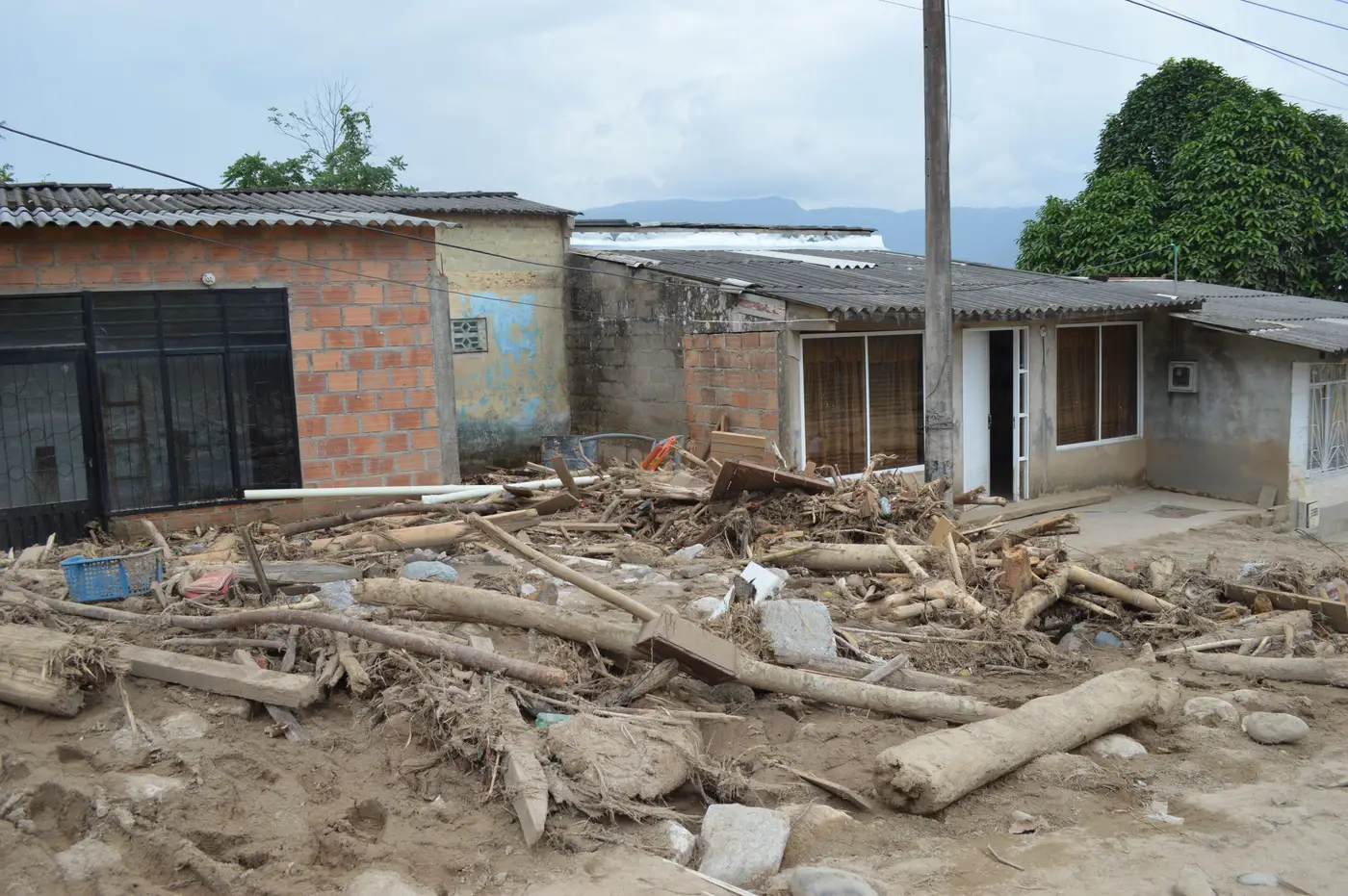
A multi-sector needs assessment, MSNA for short, is the document that tells a donor or pooled fund how bad things are across every sector at once: shelter, WASH, food security, protection, health, education. It's the thing that turns scattered field reports into a single picture cluster leads and OCHA can use to set priorities and split money. If you've sat through an HCT meeting where someone asks "do we actually have numbers for shelter yet," you know the MSNA is usually the answer, or the gap, depending on timing.
The problem is timing. An MSNA pulls together household surveys, key informant interviews, secondary data review, and sector-specific indicators, and in a fast-onset event that process takes weeks. Enumerators need access, access needs security clearance, security clearance needs the situation to stabilize. Meanwhile the appeal is due in five days and the shelter sector line needs a number, any defensible number, or it gets written as "assessment ongoing" and funded at whatever level the cluster lead can argue for without evidence.
This is where a damage count sits, not as a replacement for the MSNA but as the input that lets the shelter sector cell populate its row before the rest of the assessment catches up.
Where the count sits in the sector breakdown
In most MSNA frameworks, shelter indicators ask some version of: how many structures are damaged or destroyed, and in what proportion to the total housing stock in the affected area. A structure-by-structure count from very-high-resolution imagery, resolution at half a meter or better, gives you exactly that line. Not household composition, not protection concerns, not WASH access. It's one input into one sector, and it's honest about being that.
What it does well is give the shelter cell a number they can defend in the sector working group before household-level data exists. A pooled-fund allocation table that lists "structures damaged: 1,240, of which destroyed: 310" reads very differently from "shelter needs: significant, assessment pending." The first gets a budget line. The second gets a placeholder.
What it doesn't do is tell you who was living in those structures, what their displacement status is, or whether the household down the road needs a tarp or a cash grant. That's the rest of the MSNA's job, the surveys and KIIs that come later and fill in the human detail around the structural one.
Sequencing: count first, survey second
The practical sequence on a live event looks like this. The imagery tasking happens as soon as the event stabilizes enough for a clean optical pass, cloud cover and smoke permitting. The count comes back within days, formatted the way an appeal table or a pooled-fund allocation sheet already expects, structure totals by damage category across the affected footprint. That number goes into the shelter sector line of the flash appeal or the first draft of the MSNA while enumerators are still mobilizing.
Then the household-level assessment runs on its normal timeline, and when it lands, the shelter sector's qualitative findings, who's displaced, where, with what needs, sit alongside a structural number that was already in the system weeks earlier. The two don't compete. The count is the thing you cite in week one; the survey is the thing that explains it in week four.
If you're the one trying to get a shelter figure into a funding appeal before the first KII is even scheduled, that's the specific gap Humanitarian Damage Assessment is built to close: one event, one standardized count, delivered on the appeal's clock rather than the survey's.
A structure count won't write your MSNA for you. But it can stop the shelter sector row from sitting empty while the rest of the assessment catches up, and that alone is worth having before the deadline hits.